Understanding the complex relationship between humanity and nature is the key to confronting future ecological challenges.
Eco-literacy, or green literacy, is the ability to comprehend the natural systems that sustain life while recognizing how our behaviors impact the environment.
In a modern era fraught with climate crises and waste accumulation, fostering creativity in environmental management has become critically urgent.
We must understand how to foster creativity to discover innovative solutions to escalating waste problems.
Green literacy is not merely about theory; it is about cultivating a sense of responsibility so that we can live in harmony with the planet for the sustainability of future generations.
Why Is Eco-Literacy So Crucial Today?
Amidst accelerated industrialization and urbanization, much of society has lost its connection to the origins of its resources.
Eco-literacy is needed now because the world faces rapid environmental degradation, ranging from water pollution to shifting weather patterns.
By possessing sound green literacy, communities—including those surrounding operational power plant areas—can actively participate in environmental conservation efforts.
It is essential that we continuously foster creativity in solving these problems, as conventional solutions are frequently no longer sufficient to address the dynamic challenges of our time.
Why Implement It from an Early Age?
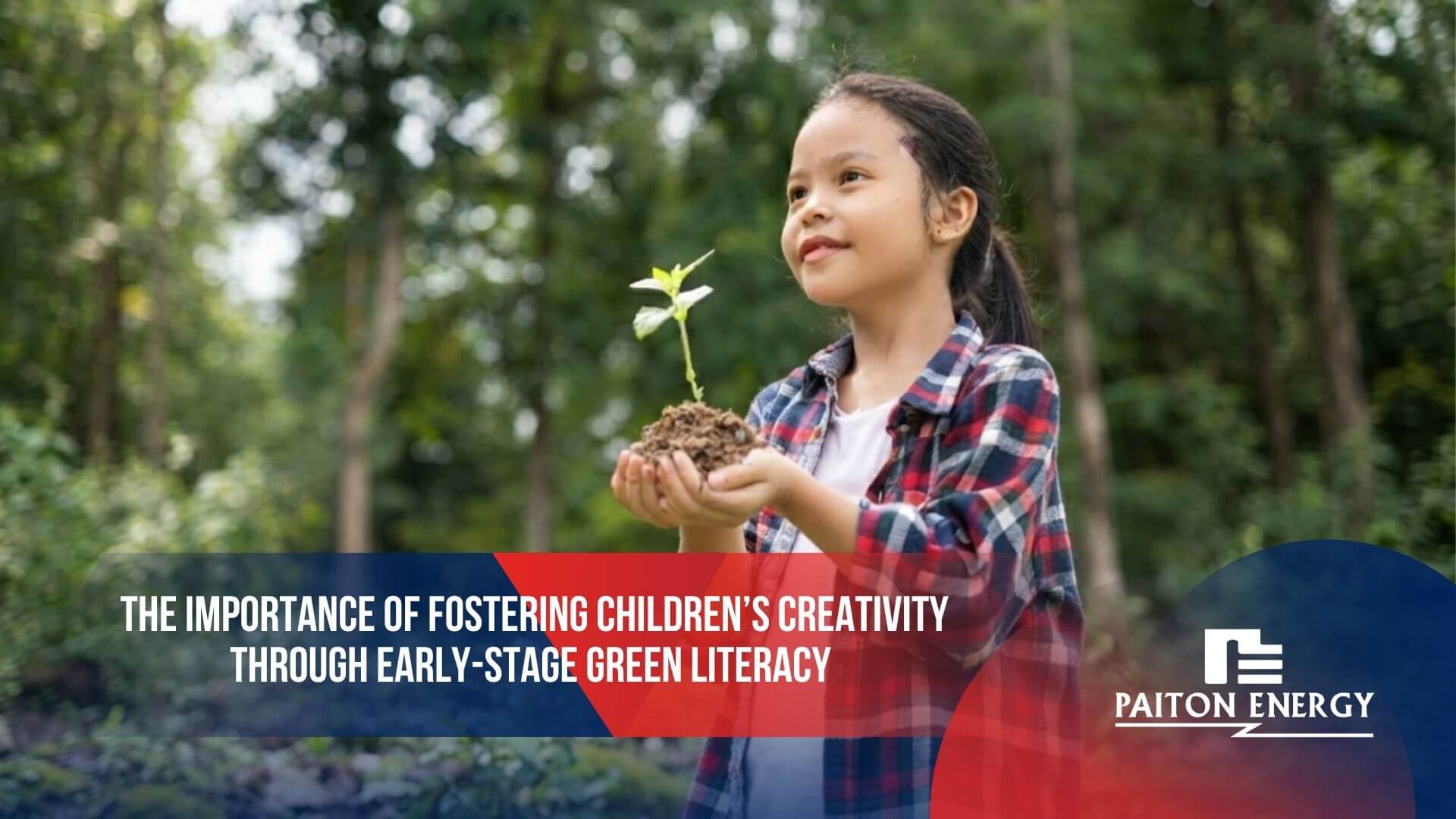
Instilling green literacy from an early age is a strategic investment because childhood represents the golden period for character formation.
When children are introduced to the concept of sustainability from a young age, eco-friendly behaviors become part of a lifestyle rather than merely an obligation.
One effective measure is fostering children’s creativity through enjoyable learning methods, such as community-based creative competitions.
Through this method, parents and educators can teach how to foster creativity so that children become not only observers, but also proactive agents of environmental change.
Long-Term Benefits for Children’s Future
Eco-literacy provides children with essential life skills for the future. Its benefits include:
- Sustainable Mindset: Children become accustomed to considering environmental impacts before making decisions in their daily lives.
- Problem-Solving: By continuously fostering creativity, children are trained to seek solutions to waste problems, such as processing waste into economically valuable planting media.
- Independent Environmental Management: Learning how to foster creativity in managing waste independently from an early age creates a resilient society that is not dependent on unsustainable management systems.
Real Practice Through Creative Competitions
The success of initiatives such as “Repot” (rekarena popok gebey pot, or utilizing leftover baby diapers as plant pots) in Binor Village serves as tangible proof of the implementation of green literacy. Through creative competitions involving kindergarten and elementary school students, they learn how to foster creativity to transform baby diaper waste into plant pots.
Support from corporations such as PT Paiton Energy and PT POMI further strengthens efforts to foster public creativity in achieving zero-waste targets.
By integrating education into community activities, we successfully foster community creativity in processing waste while preserving aquatic ecosystems.
In conclusion, building eco-literacy awareness is a fundamental step toward future environmental independence. Through a creative approach, we train the younger generation not only to understand problems, but also to actively create solutions.
We must continually strive to foster creativity in promoting sustainable lifestyles within industrial operational areas to create a harmonious synergy.
By continually exploring how to foster effective and inclusive creativity, we ensure that the spirit of nature conservation remains alive in daily actions, creating a much cleaner, healthier, and more resilient future for our children and grandchildren.