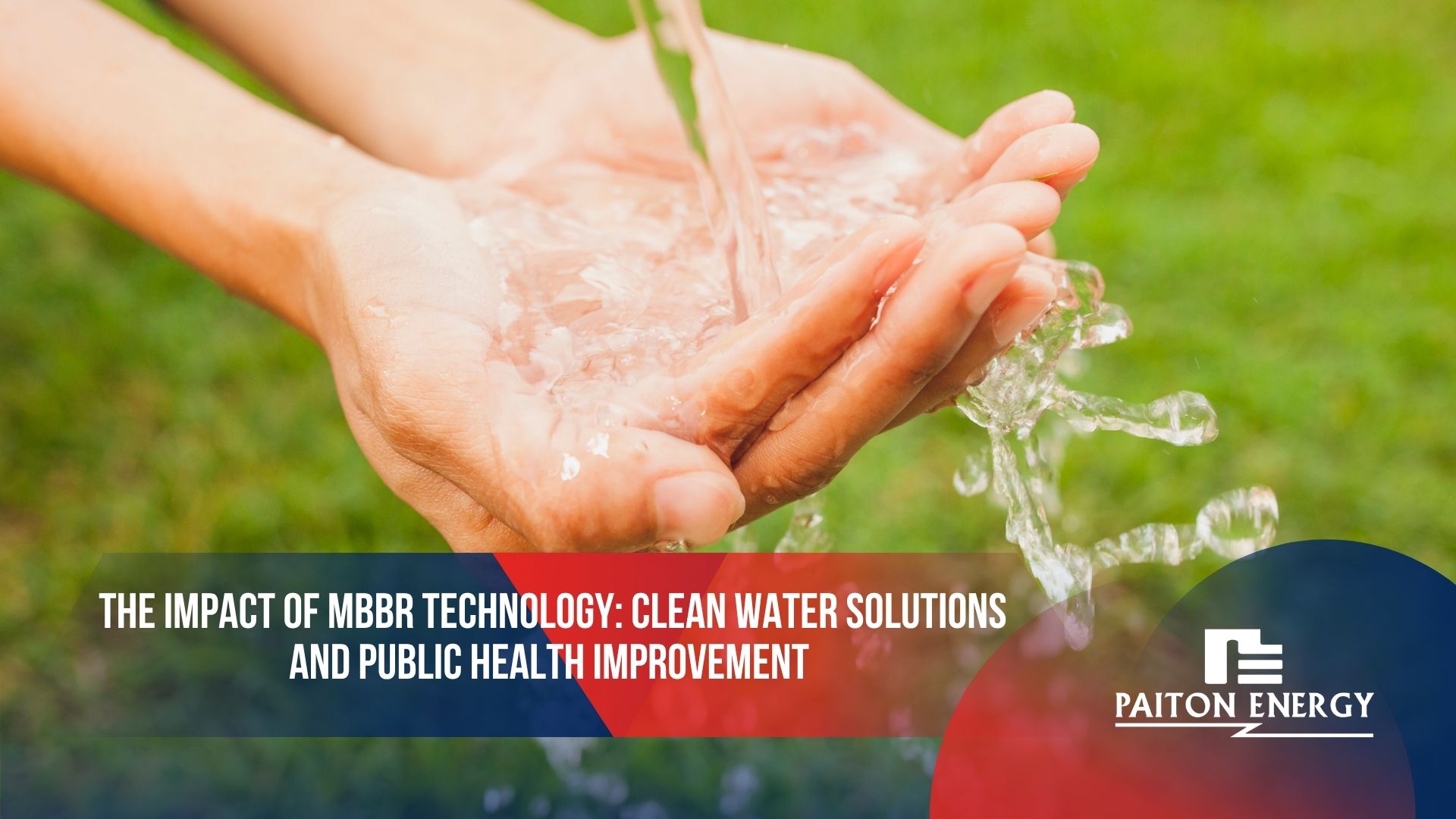
The availability of clean water is a primary pillar in building a solid foundation for public health.
Without adequate access to safe water, the risk of infectious disease transmission and a decline in quality of life become real threats, particularly in areas surrounding industrial zones. Innovation in domestic wastewater management has now become the key to addressing these challenges.
Through proper technological transformation, domestic wastewater that once burdened the environment can be treated into water that is safe for ecosystems.
This article will explore how Moving Bed Biofilm Reactor (MBBR) technology plays a vital role in reducing wastewater pollutants and preserving community water resources. By understanding the uses of clean water for humans, we can see how this technology helps create a more hygienic and sustainable environment for the future.
Waste Management Challenges and Sanitation Standards
For years, many industries—including PT Paiton Energy since 1997—relied on Sewage Water Treatment Plants (SWTP) utilizing conventional activated sludge technology. Although functional, this method has a fundamental drawback: high sludge production.
High sludge accumulation is directly proportional to an increase in Total Suspended Solids (TSS) levels. Elevated TSS in water bodies can hinder sunlight penetration, disrupt aquatic ecosystem photosynthesis, and ultimately degrade the quality of water bodies that serve as life sources for surrounding communities.
As operational capacity and domestic wastewater volumes increased, the efficiency of older technology began to decline.
Data from 2022 showed that the TSS pollutant load reached 0.609 tons per year. This condition drove the need for more radical and efficient innovations to ensure that effluent water quality meets regulatory standards.
Introducing MBBR Technology: Low-Sludge Innovation
As a solution to the limitations of conventional systems, MBBR technology emerges as a transformative approach.
Unlike activated sludge, MBBR utilizes high-surface-area packing media (Kaldnes type) as a substrate for waste-digesting microorganisms and bacteria to form a biofilm.
This media moves dynamically within the aeration tank, effectively degrading organic pollutants without generating massive sludge volumes.
The primary advantages of MBBR include:
- Significant TSS Reduction: MBBR achieves TSS reduction rates of up to 80%, far higher than conventional systems which average only 69%.
- Space and Cost Efficiency: Although initial investment may be higher, operational and maintenance costs are much lower because routine sludge desludging is not required.
- Process Stability: The biofilm on the packing media is more resistant to wastewater load fluctuations. This condition allows biological processes to run more consistently, ensuring that effluent quality remains stable even amidst variations in incoming wastewater characteristics.
The Uses of Clean Water for Humans and Its Social Impacts
Understanding the uses of clean water for humans is crucial to recognizing the urgency of this technology.
Fundamentally, clean water encompasses consumption needs, sanitation (bathing and washing), and small-scale residential irrigation.
When industries are able to treat their wastewater to meet high-quality standards, the pollution burden on local community water sources decreases drastically.
Furthermore, from a public health perspective, the uses of clean water for humans play a role in preventing water-borne diseases such as diarrhea, cholera, and skin infections. With MBBR technology, the risk of TSS and pathogen contamination to the environment can be minimized.
This innovation directly addresses questions regarding the uses of clean water for humans in the context of stunting prevention and community nutrition improvement through proper sanitation.
This demonstrates that investment in Moving Bed Biofilm Reactor (MBBR) technology not only aims to meet environmental regulatory requirements but also reflects a commitment to social responsibility in protecting public health, preserving water resource quality, and supporting environmental sustainability.
Overall, the provision of clean water meeting quality standards is an essential prerequisite for life continuity, quality of life improvement, and the fulfillment of community rights to a clean, healthy, and sustainable environment.
Behavioral Change and Operational Efficiency
The implementation of MBBR also brings positive impacts to workers and company management. In the older system, personnel had to routinely clear old sludge and manually add bacterial starter cultures, posing occupational safety risks.
With MBBR, the process is simpler, safer, and more efficient. Eliminating the sludge transport and storage chain creates a more environmentally friendly waste management system that supports a circular economy model.
Contribution to the Sustainable Development Goals (SDGs)
MBBR technology helps fulfill up to 11 of the 17 Sustainable Development Goals (SDGs), particularly Goal 6 on Clean Water and Sanitation. By reducing organic pollutants and nitrogen through improved nitrification-denitrification processes, MBBR keeps aquatic habitats healthy.
Cleaner water increases dissolved oxygen, which is vital for aquatic organisms and the sustainability of ecosystems that local communities often rely on.
In conclusion, the application of MBBR technology is a strategic step uniting industrial efficiency with public health advancement.
By significantly suppressing TSS parameters, this technology guarantees that industrial activity does not impair clean water availability in the surrounding environment.
The success of this innovation proves that modern technology can serve as a solution to global sanitation challenges.
Ultimately, the sustainable availability of clean water will create a healthier, more productive, and more prosperous society. Recognizing the vital uses of clean water for humans, a commitment to advanced wastewater treatment is an invaluable long-term investment in humanity and environmental preservation.