How does the electrical system continue to operate optimally during routine maintenance?
The answer lies in the scheduled outage. This electrical facility maintenance is carefully planned well in advance by maximizing the role of other power generation units. As a result, periodic maintenance can be carried out safely without causing power outages.
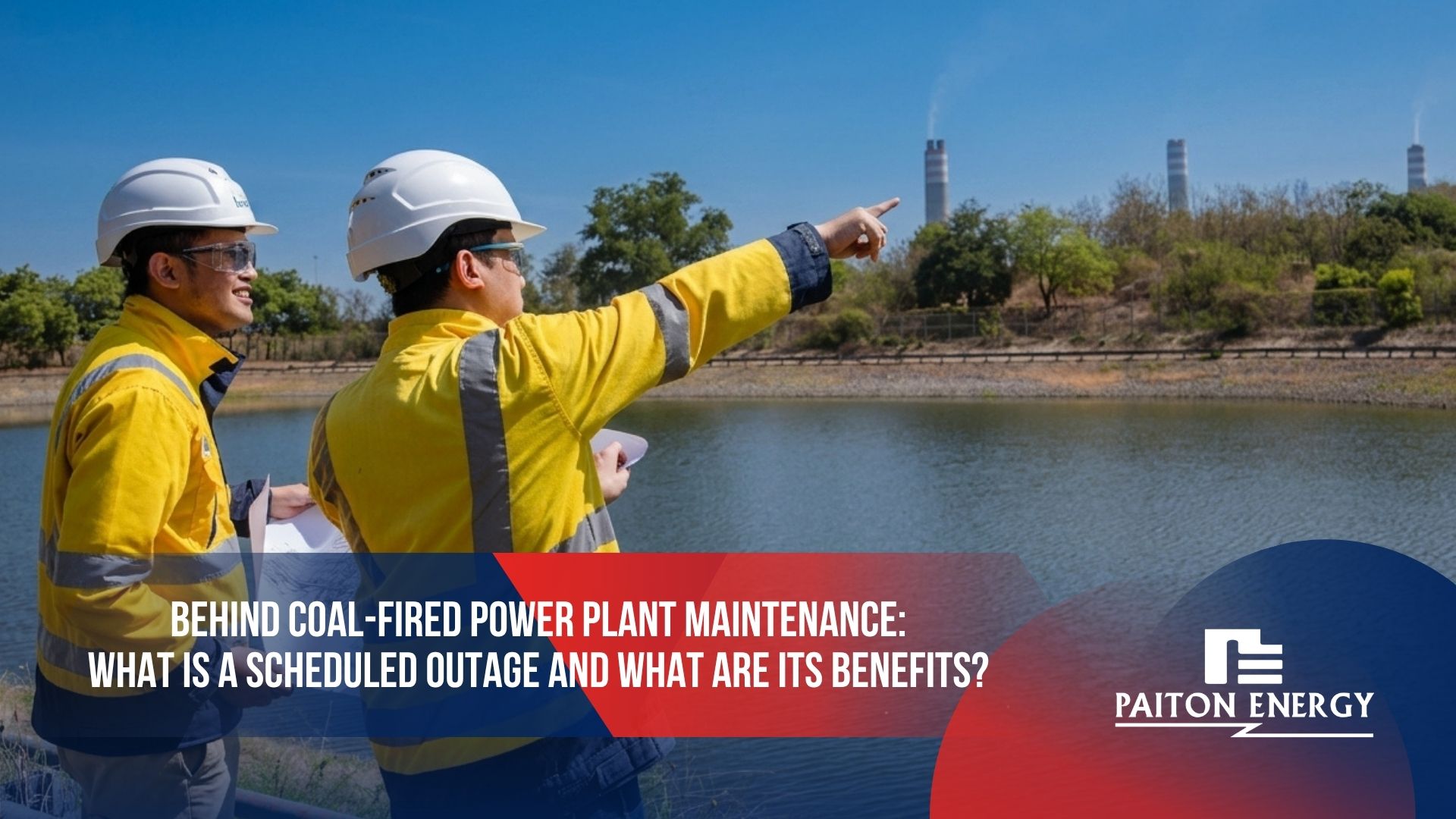
This article discusses the essence behind scheduled maintenance and its significance for long-term energy supply stability, highlighting the vital role of the Paiton Steam Power Plant (PLTU Paiton) in East Java.
What Is a Scheduled Outage?
A scheduled outage (or planned outage) is a condition where a power generation unit is intentionally taken out of service for a specific duration according to a pre-arranged schedule. In the electricity sector, this activity is often referred to as a Planned Maintenance Outage (PMO). It encompasses preventive and predictive maintenance programs, such as visual inspections, testing, replacement of worn components, protection system calibration, and infrastructure upgrades.
In operational metrics, the duration of this maintenance is calculated as the Scheduled Outage Factor (SOF). This process is crucial to ensure optimal facility utilization and to prevent the risk of widespread Java grid failures caused by undetected component degradation. When one unit undergoes a scheduled outage, the electricity supply is rerouted and supported by other fully operational plants, preventing consumers from experiencing blackouts.
Why Is Periodic Maintenance Necessary?
Just like a motor vehicle requires mandatory servicing to prevent it from breaking down mid-journey, power generation facilities require periodic maintenance to sustain peak performance.
- Preventing Catastrophic Failures: Planned maintenance helps detect potential wear and tear before it escalates into total failure, which could trigger widespread power outages.
- Extending Asset Lifespan: Vital components such as turbines, generators, and boilers can operate longer without a drastic decline in performance.
- Preserving Efficiency: Following comprehensive maintenance, generation units generally return to operation with significantly optimized efficiency levels.
- Mitigating Emergency Outages: Investing time in planned maintenance is proven to effectively lower the risk of sudden disturbances that could potentially trigger Java grid shutdowns or interconnection network paralysis.
- Maintaining System Stability: The primary objective of a PMO is to ensure the overall reliability, safety, and stability of the electrical power network across various regions.
Scheduled Outage vs. Emergency Outage: What Is the Difference?
To correct public perception, it is important to distinguish between these two types of outages:
| Aspect | Scheduled Outage | Forced Outage (Emergency) |
| Nature | Intentional and scheduled well in advance | Occurs suddenly |
| Causes | Maintenance, inspection, and overhaul | Technical failure or external factors |
| Impact | Supply remains secure through backup from other units (no consumer outages) | Potentially triggers sudden supply disruptions in the affected unit |
| Objective | Prevent equipment failure during operation and enhance plant efficiency | Rapid response to system failure |
Without disciplined scheduled outage management, the risk of power outages due to total component failure would increase drastically, ultimately having the potential to escalate and trigger a systemic Java blackout.
Does This Actually Happen?
This practice is actively and routinely implemented in the field, notably at the Paiton Coal-Fired Power Plant complex in Probolinggo, East Java, operated by PT Paiton Energy alongside other partners.
The implementation and real-world examples of this activity include:
- Staged Maintenance Types: Operators schedule minor outages, major outages, or overhauls according to equipment age. Not all units shut down completely at the same time; managers can stagger the work or rely on other units to maintain a continuous electricity supply.
- Online Maintenance & AI Technology: PT Paiton Energy implements online maintenance while units remain operational, while also leveraging artificial intelligence (AI) and condition-based maintenance for early fault detection.
- Tangible Performance Evidence: For instance, the Paiton plant, which has operated for decades, has recorded a very low forced outage rate of approximately 1.33 percent (equivalent to roughly seven days per year). This figure was achieved through disciplined preventive maintenance and a well-managed spare parts inventory.
Case Study: The Strategic Role of the Paiton Power Plant
As one of the largest power generation complexes in Southeast Asia, the Paiton plant in East Java serves as a tangible model of how scheduled maintenance is executed professionally. The complex is operated by various entities, including PT Paiton Energy, PT PLN Nusantara Power, and PT Jawa Power, with a total capacity reaching 4,608 MW directly connected to the Java-Bali interconnection system.
Modern maintenance strategies implemented at the Paiton plant include:
- Preventive Maintenance (PM): Scheduled maintenance based on operating hours, work hours, or calendars to prevent equipment failure. Examples include routine inspections, lubrication, cleaning, and component replacements at specific intervals.
- Predictive Maintenance (PdM): Condition-based maintenance utilizing monitoring data and analysis to predict potential failures. Examples include vibration analysis, thermography, oil analysis, performance monitoring, and condition assessment.
- Proactive Maintenance: A maintenance strategy focused on root cause elimination to prevent recurring damage and enhance equipent reliability. Examples include design improvements, operational optimization, parameter control, and the enhancement of spare part quality.
- Overhaul / Scheduled Outage: Major maintenance performed when a unit is taken offline on a planned basis for comprehensive inspection, repair, critical component replacement, and performance enhancement. Examples include boiler inspections, turbine major inspections, generator inspections, and life-assessment of major components.
Conclusion
A scheduled outage is not an indication of system failure, but rather a form of risk management and professional responsibility by operators to guarantee national energy reliability.
Through rigorous maintenance management—such as that applied at the Paiton plant—power generation performance remains at its peak, ensuring that the electricity supply to the public continues to flow steadily, safely, and sustainably.