Energy transition is a global strategic movement aimed at shifting energy production and consumption systems from fossil-based sources to cleaner, more sustainable alternatives.
At the national level, Indonesia’s energy transition has become a primary government agenda to ensure long-term energy security while fulfilling international commitments to carbon emission reduction.
This process involves policy restructuring, the adoption of emerging technologies, and measured cross-sector collaboration.
Defining Energy Transition and Sustainability Commitments
Broadly defined, energy transition is a structural shift in energy systems focused on decarbonization.
This encompasses enhancing energy efficiency and transitioning from coal and petroleum to New and Renewable Energy (NRE) sources, such as solar, wind, and geothermal power.
Parallel to this, sustainability commitment serves as a framework adopted by governments and corporations to align operations with Environmental, Social, and Governance (ESG) principles.
In practice, the energy transition acts as a primary instrument for achieving Sustainable Development Goals (SDGs), particularly in maintaining climate stability and providing affordable clean energy.
Indonesia’s Energy Transition Targets and Sustainability Milestones
The Government of Indonesia has established a roadmap toward Net Zero Emission (NZE) by 2060. A key legal foundation supporting this acceleration is the Ministry of Energy and Mineral Resources (MEMR) Regulation No. 10 of 2025, which governs the roadmap for converting Coal-Fired Power Plants (CFPP) to NRE and the utilization of Carbon Capture and Storage (CCS) technology.
Crucial pillars of Indonesia’s energy transition include:
- NRE Mix: The government aims for NRE to constitute 23% of the national energy mix by 2025, increasing to 23–40% by 2030.
- JETP Funding: Indonesia has secured a $20 billion partnership under the Just Energy Transition Partnership (JETP), allocated to accelerate the early retirement of 5.8 GW of coal-fired power plants.
- Emission Reduction: Per the Enhanced Nationally Determined Contribution (E-NDC), the energy sector is targeted to reduce emissions by 358 million tons of $CO_2$ by 2030.
- Infrastructure and Technology: Focus is placed on developing smart grids, Electric Vehicle (EV) ecosystems, and green hydrogen in accordance with the latest regulations.
Progress is monitored periodically through the Indonesia Energy Transition Outlook (IETO) 2025 to evaluate policy effectiveness against established targets.
PT Paiton Energy’s Energy Transition and Sustainability Commitments
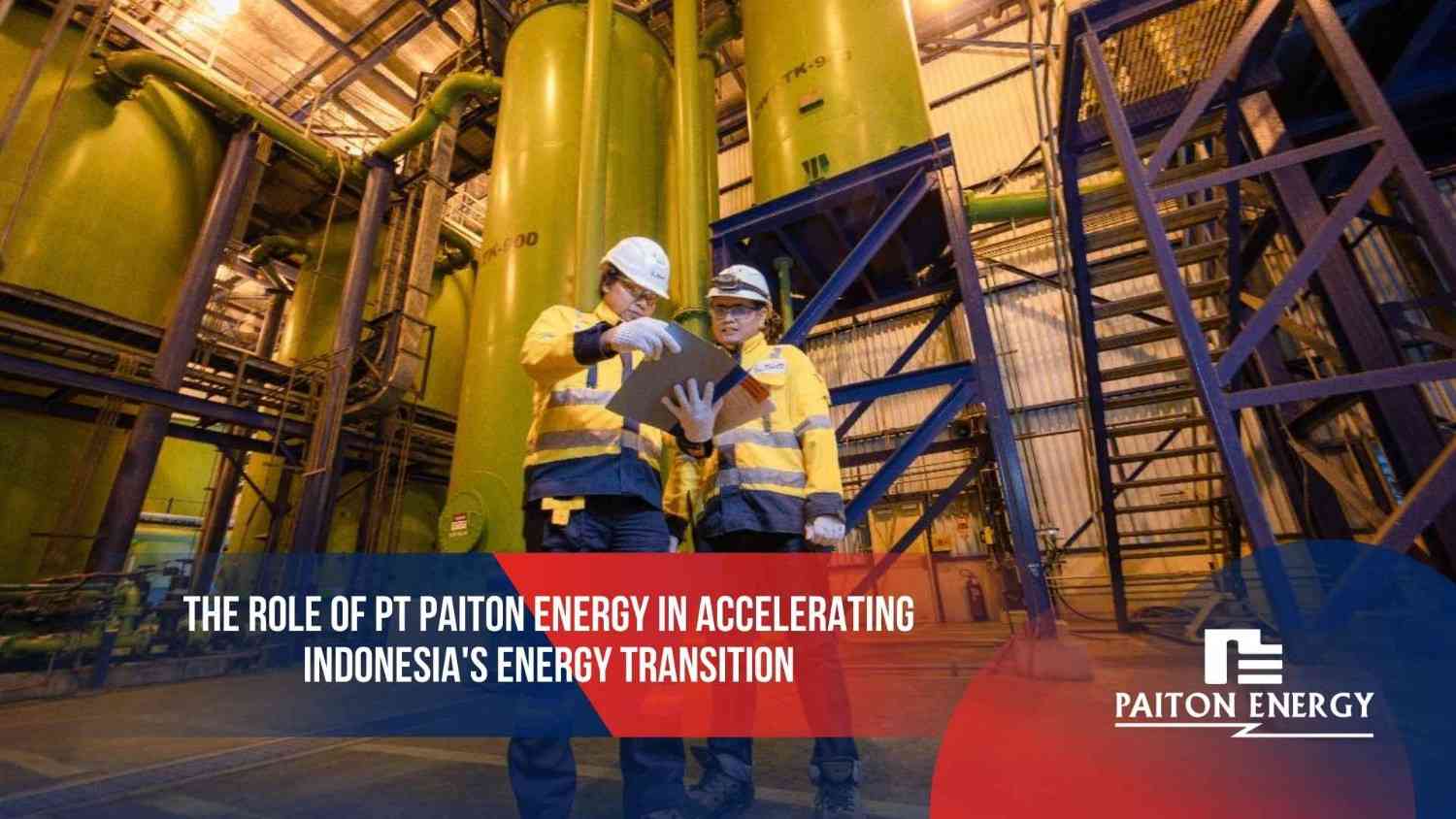
As one of the largest Independent Power Producers (IPP) with a capacity of 2,045 MW, PT Paiton Energy plays a vital role in ensuring electrical stability across the Java, Madura, and Bali (Jamali) grid. The company has actively aligned its business strategy with the national energy transition trajectory.
Current Implementation and Achievements
In 2024, PT Paiton Energy published its inaugural Sustainability Report, documenting the company’s ESG milestones. Furthermore, through the Paiton bErsiNERGY program, the company in collaboration with POMI has planted over 25,000 Gamal trees in “Energy Forests” as of early 2025.
The company also supports the digitalization of energy education by installing rooftop Solar Power Systems (PLTS) at SMKN 54, SMA 70, and SMKN 53 Jakarta. In waste management, the utilization of Fly Ash and Bottom Ash (FABA) as building materials (such as paving blocks) and soil conditioners demonstrates a firm commitment to the circular economy.
Strategic Future Roadmap
In the long term, PT Paiton Energy plans to transition its power units to lower-emission Natural Gas (Gas-Fired Power Plants), pending further government directives.
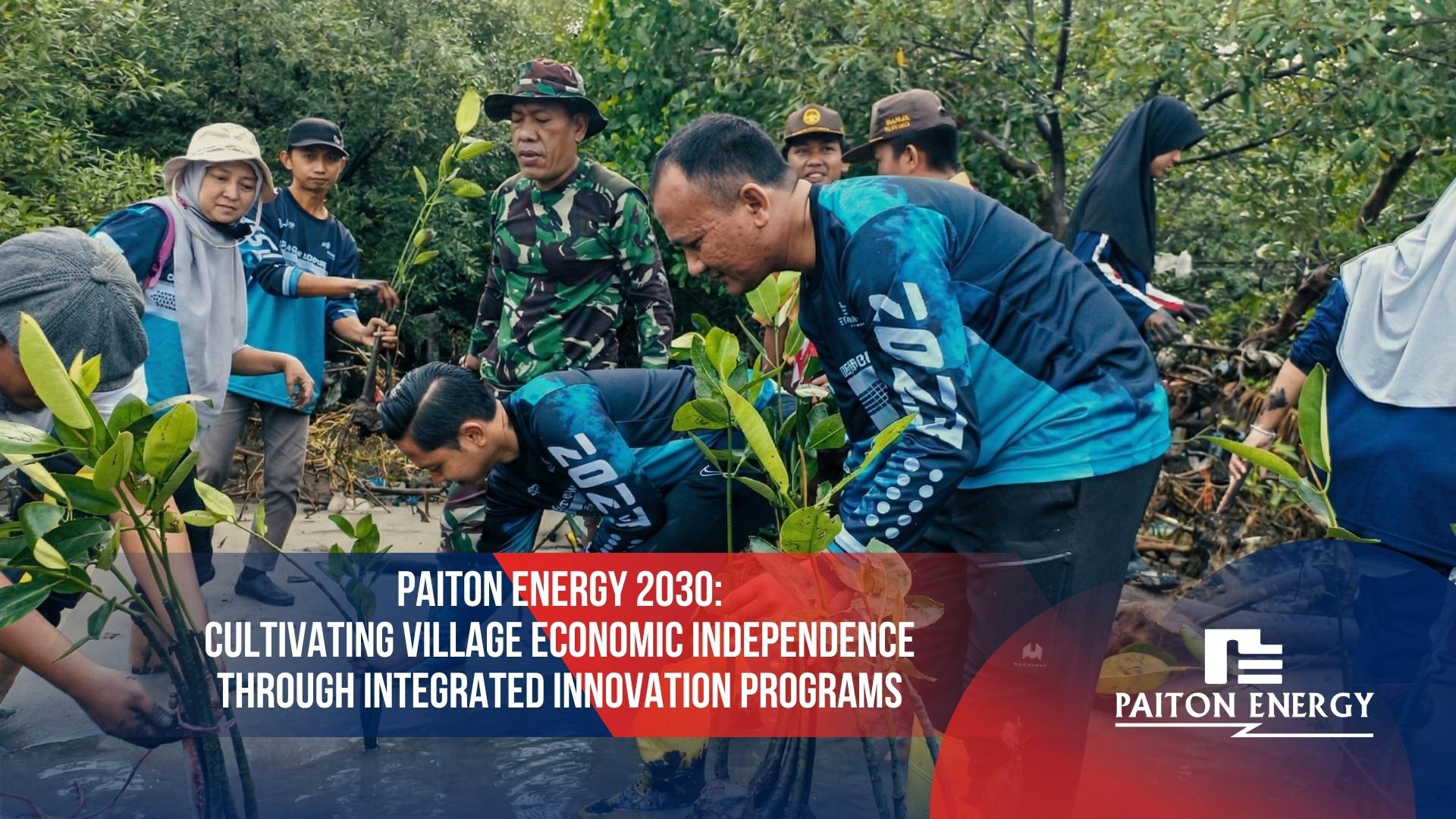
The company has also initiated research collaborations with Universitas Gadjah Mada (UGM) to develop green hydrogen and optimize power plant technologies. Through mangrove reforestation and sustainable CSR programs, the company ensures that the transition remains inclusive for local communities.
Table: Comparison of National Commitments vs. PT Paiton Energy & PT POMI
| Commitment Aspect | Government of Indonesia (National) | PT Paiton Energy & PT POMI |
| Transition Target | NRE Mix 23-40% (2030); MEMR Reg 10/2025 Roadmap | Strategic transition plan to Natural Gas |
| Emission Reduction | Target 358m tons CO2 (2030); CCS Implementation | 34,000+ trees planted; Green PROPER Rating |
| Collaboration | JETP Scheme & ASEAN Power Grid | Partnerships with UGM & Probolinggo Regency |
| Environment | NRE integration in PLN’s RUPTL | FABA processing; Mangrove Reforestation |
The success of the energy transition requires robust synergy between government regulation and private sector operational readiness.
Through the policies outlined in MEMR Regulation No. 10/2025 and the tangible corporate actions taken by PT Paiton Energy, there is a strong sense of optimism that Indonesia can achieve its emission reduction targets for a more sustainable energy future.