The demand for sustainable resources has become a primary priority amid the global threat of climate change. In Indonesia, the transition toward renewable energy is being accelerated to reduce dependence on depleting fossil fuel reserves.
However, questions often arise within the community: What is meant by renewable energy? Simply put, it refers to energy sources derived from sustainable natural processes, such as solar radiation, wind, and biomass.
Through the SUSPECFUEL innovation, PT Paiton Energy demonstrates that the transition to renewable energy is not merely a vision, but a tangible step initiated through the empowerment of local waste and the preservation of community forests for a greener future.
A Closer Look: Defining Renewable Energy
Renewable energy is generated from resources that naturally replenish within a short timeframe. In agricultural regions, one of the most promising forms is biomass.
In PT Paiton Energy’s innovation, the concept of renewable energy is translated into the utilization of sawdust waste and yields from Community Forests to produce wood pellets.
This innovation is critical as it addresses our historical over-reliance on coal. By understanding the potential of renewable energy, we recognize that natural residues such as sawdust possess high caloric value, making them effective and clean substitute fuels.
Background: From Waste Management to Energy Solutions
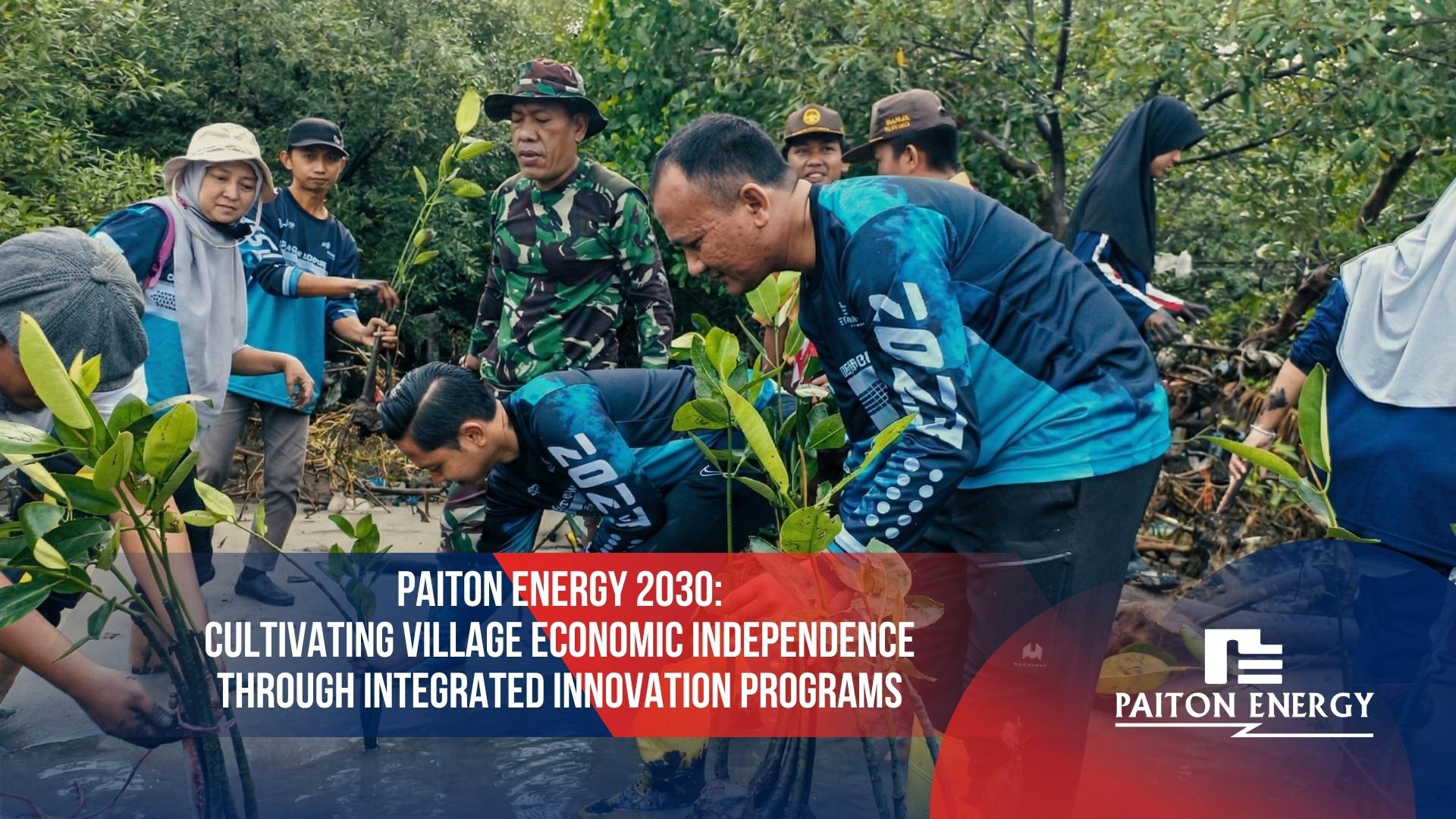
Selobanteng Village possesses significant potential through its Community Forests. Since 2009, PT Paiton Energy has been actively engaged in conservation efforts, planting hundreds of thousands of teak and Gmelina seedlings.
This program has not only restored previously arid and critical ecosystems but has also stimulated the local economy through the furniture industry.
However, industrial growth brought new challenges. A group of 23 furniture artisans produced up to 100 tons of sawdust waste per month. Previously, this waste was either incinerated or disposed of in rivers, damaging the landscape and reducing the Biodiversity Index (KEHATI).
In response, SUSPECFUEL (Sustainable Pellet Eco-Friendly Fuel) was introduced as a renewable energy solution that integrates environmental preservation with national energy requirements.
SUSPECFUEL: Nationally Recognized Innovation
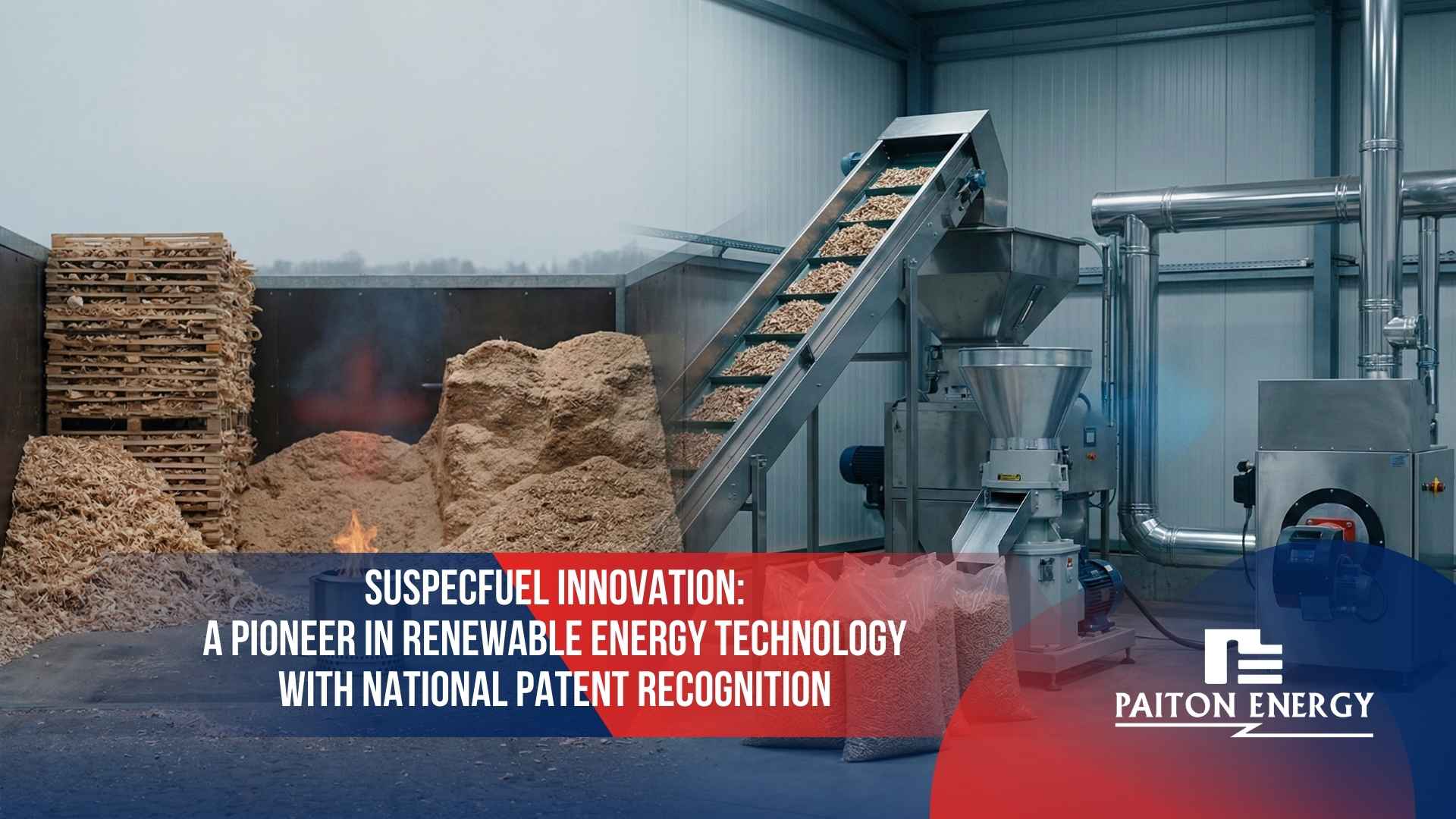
SUSPECFUEL is a pioneering program that processes sawdust waste and energy crops (such as Gliricidia sepium and Calliandra) into wood pellets. This innovation is unique, as it was not recorded in the Ministry of Environment and Forestry’s (KLHK) Best Practices for Power Plant Innovation between 2020 and 2023.
Its superiority has been legally recognized through a Simple Patent filing with the Directorate General of Intellectual Property (Registration Number: S00202410791).
The utilization of wood pellets as renewable energy offers several technical advantages:
- Lower Carbon Emissions: Reduces the carbon footprint compared to pure coal combustion.
- High Efficiency: Features optimal energy density for combustion in steam power plants (PLTU).
- Sustainability: Raw materials are sourced from waste and consistently replanted energy crops.
The Transformation Process: From Sawdust to Pellets
To produce high-quality fuel, SUSPECFUEL follows nine systematic steps to ensure rigorous quality standards:
- Collection: Gathering sawdust waste from local artisans.
- Drying: Reducing moisture content to a range of 10-15%.
- Grinding: Refining the material to facilitate compaction.
- Mixing: Adding natural binders where necessary.
- Pelletizing: Compacting the material into small cylindrical pellets.
- Cooling: Stabilizing the pellet structure post-extrusion.
- Final Drying: Ensuring moisture levels remain stable.
- Packaging: Protecting pellets from atmospheric humidity.
- Storage: Maintaining quality prior to distribution to power plants.
Tangible Impact: Before vs. After Innovation
The transformation brought about by SUSPECFUEL is evident in the socio-environmental shifts in Selobanteng Village:
| Aspect | Pre-Innovation | Post-Innovation (SUSPECFUEL) |
| Environment | Declining Biodiversity Index; waste accumulation. | Improving Biodiversity Index; managed waste. |
| Economy | Low-value waste (incinerated). | Waste as a new source of income. |
| Institutional | Fragmented artisan groups. | Formation of the “Setia Bakti Cooperative.” |
| Energy | Full dependence on fossil fuels. | Production of wood pellets as alternative fuel. |
The implementation of the SUSPECFUEL program demonstrates that renewable energy utilization can coexist with the enhancement of community welfare. By fostering an understanding of renewable energy, the community is now more aware of the importance of forest ecosystems while producing eco-friendly fuel.
PT Paiton Energy’s initiative to patent this innovation reinforces Indonesia’s position on the global green technology map. With proper management, what was once considered refuse has been transformed into a cornerstone for sustainable energy independence for future generations.