Jakarta, April 9, 2026 – Following its success in recording positive performance in sustainable environmental management, PT Paiton Energy (www.paitonenergy.com) has achieved a Green rating in the 2025 Environmental Performance Rating Program (PROPER) from the Ministry of Environment of the Republic of Indonesia.
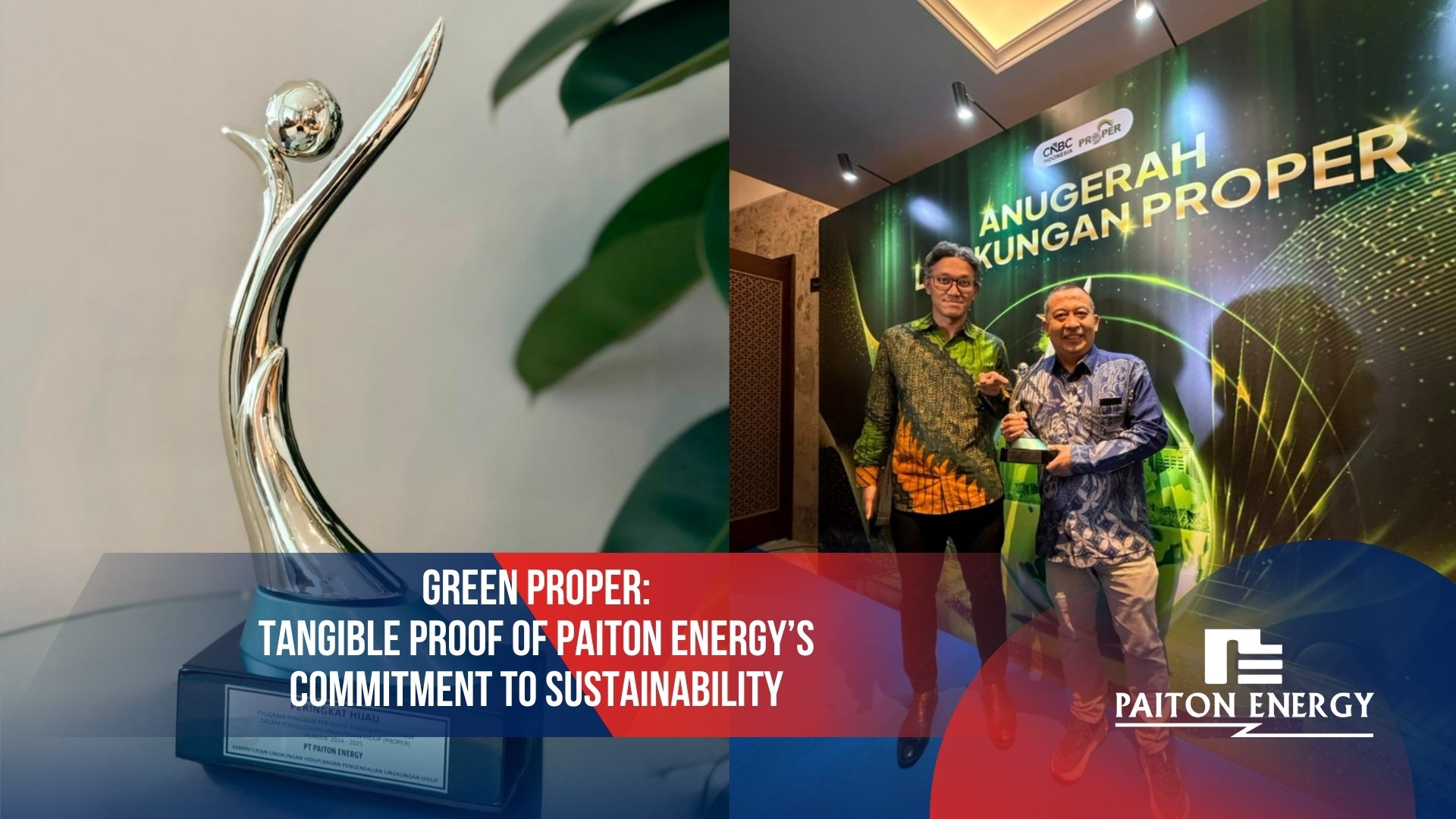
The Green PROPER rating is a form of recognition from the Government of Indonesia for the Company’s commitment to implementing environmental management that goes beyond compliance. It also demonstrates PT Paiton Energy’s consistency in integrating sustainability principles into its operational activities and effectively executing social responsibility programs.
The Green PROPER award was presented during the Environmental Awards (Anugerah Lingkungan) in Jakarta on Tuesday, April 7, 2026. This achievement marks the Company’s consistency in maintaining the Green PROPER status, which was also earned in the previous year.
President Director of PT Paiton Energy, Fazil Erwin Alfitri said that the Green PROPER achievement is a manifestation of the Company’s long-term vision to align efforts in supporting energy security while simultaneously preserving the ecosystem.
“This achievement is the result of the full commitment of the management and all employees in ensuring that every aspect of our operations meets the highest environmental standards. We believe that business success must go hand in hand with ecological and social responsibility. Therefore, Paiton Energy continues to innovate in minimizing our environmental footprint and strengthening empowerment programs that provide tangible benefits for both the community and nature,” said Fazil Erwin Alfitri.
According to the Chief Financial Officer of PT Paiton Energy, Bayu Widyanto, the 2025 Green PROPER award presented to Paiton Energy is tangible evidence of operational efficiency and the integration of Environmental, Social, and Governance (ESG) principles into the Company’s financial and business strategies.
“The Green PROPER award reflects that our investments in environmentally friendly technology and community development programs are delivering a measurable positive impact. For us, sustainability is not only an ethical responsibility but also the primary foundation for maintaining the Company’s performance stability in the long term to support national energy sovereignty,” said Bayu Widyanto.
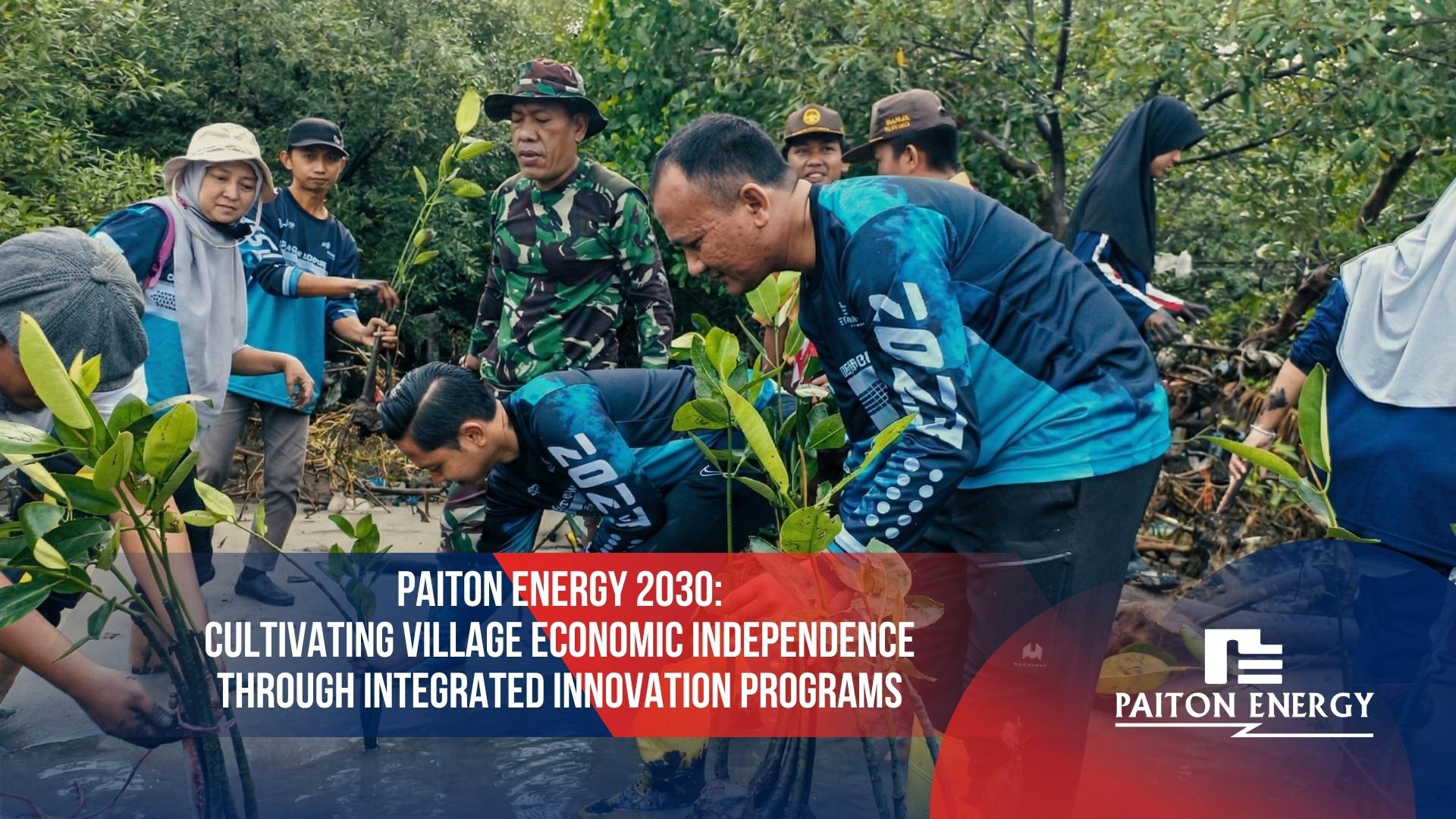
Paiton Energy consistently implements various flagship programs, such as forest and mangrove conservation, community-based renewable energy initiatives, and innovative waste management. This is in line with the Company’s efforts to support the Indonesian government’s energy transition targets toward Net Zero Emission.
Moving forward, the Company will consistently drive improvements in best practices for environmental and social management. Furthermore, the Company will remain actively engaged in various sustainable development programs that are also high priorities. Through these efforts, the Company hopes to strengthen Indonesia’s future, particularly through the power sector.
As one of the largest independent power producers in Indonesia, PT Paiton Energy is committed to continuously supporting the national energy transition agenda through reliable, efficient, and sustainable power plant management, as well as through long-term partnerships with various stakeholders.
PT Paiton Energy is the first and one of the largest Independent Power Producer (IPP) operating in Indonesia. The shareholders of the Company consist of RATCH Group, Nebras Power, and Medco Daya Energi Sentosa (MDES).
1. PT Paiton Energy Raih PROPER Hijau 2025, Tegaskan Komitmen Lingkungan Berkelanjutan
2. 243 Perusahaan Raih Proper Hijau, Ini Daftarnya
3. PROPER Hijau Bukti Konsistensi Paiton Energy Jalankan Keberlanjutan
4. Paiton Energy Raih PROPER Hijau dari Kementerian Lingkungan Hidup
5. 243 Perusahaan di Indonesia Sabet PROPER Hijau, Berikut Daftarnya
6. PT Paiton Energy Raih PROPER Hijau 2025, Bukti Konsistensi Kelola Lingkungan Berkelanjutan
7. Paiton Energy Raih PROPER Hijau 2025, Masuk Elit Pengelola Lingkungan Hidup
8. Paiton Energy Raih PROPER Hijau 2025, Masuk Elit Pengelola Lingkungan Hidup
9. Paiton Energy Kembali Raih Predikat Hijau di PROPER 2025
10. Konsisten Terapkan Prinsip Beyond Compliance, Paiton Energy Raih Penghargaan PROPER Hijau 2025