In an era of rapid industrialization, air quality has become an urgent global concern. The power generation and manufacturing sectors are often under scrutiny due to the exhaust emissions they produce. Understanding the impacts of environmental pollution is essential for policymakers and industry stakeholders in order to design effective mitigation strategies.
The reduction of pollutants such as Sulfur Dioxide (SO₂), Nitrogen Oxides (NOx), Particulate Matter (PM), and Carbon Dioxide (CO₂) is not merely a regulatory obligation; it is a crucial step in safeguarding ecosystem sustainability and public health.
Understanding Air Pollutants and Their Impacts
Each pollutant has distinct characteristics and mechanisms through which it harms the environment. The following are the primary pollutants that must be controlled to minimize environmental degradation:
- Sulfur Dioxide (SO₂): This pollutant is a major contributor to acid rain. When SO₂ reacts with water vapor in the atmosphere, it forms sulfuric acid, which degrades soil quality, destroys essential microorganisms, and lowers the pH of water bodies—threatening aquatic life.
- Nitrogen Oxides (NOx): NOx contributes to the formation of smog and eutrophication. Eutrophication triggers excessive algal growth in water bodies, depleting oxygen levels and causing the death of fish and other aquatic organisms.
- Particulate Matter (PM): PM consists of fine particles suspended in the air. Beyond reducing visibility, it poses severe risks to the human respiratory system and can accumulate on plant leaves, inhibiting photosynthesis.
- Carbon Dioxide (CO₂): As a primary greenhouse gas, the accumulation of CO₂ in the atmosphere traps heat and accelerates global warming and extreme climate change.
Tangible Benefits of Emission Reductions for Ecosystems
Systematic emission reduction efforts deliver long-term environmental benefits. By lowering pollutant levels, soil fertility is preserved and biodiversity in forest ecosystems is protected.
Reducing NOx and PM significantly decreases the risk of vegetation damage, including chlorophyll degradation in plants—an essential component of food production and oxygen generation. Overall, emission reduction enhances environmental resilience to climate change.
Advanced Technologies for Emission Reduction
To address the impacts of environmental pollution, industries are increasingly adopting advanced supporting technologies:
- Flue Gas Desulfurization (FGD) Highly effective in reducing SO₂ emissions.
- Selective Catalytic Reduction (SCR) Specifically designed to convert NOx into harmless nitrogen and water.
- Low NOx Burner (LNB) A combustion-modification-based NOx control system that integrates Low-NOx Burners with two-stage air staging (COFA & SOFA), significantly enhancing NOx reduction efficiency.
- Electrostatic Precipitator (ESP) Captures fine particulate matter (PM) using high-voltage electrical charges to ionize particles in flue gas, allowing periodic collection without disrupting gas flow.
- Energy Efficiency Programs System optimization reduces fuel consumption, thereby automatically lowering CO₂ emissions.
- Coal Blending Method A modern emission reduction strategy categorized as a pre-combustion emission reduction approach.
Technical Approaches to SO₂ Reduction in Industry
As one of the primary industrial emissions, SO₂ control is commonly implemented through a three-stage approach:
- Pre-Combustion: Using low-sulfur fuels or conducting coal washing to remove pyritic sulfur at an early stage, thereby reducing SO₂ content.
- During Combustion: Injecting limestone into the boiler. At temperatures above 650°C, limestone reacts with sulfur to form solid calcium sulfate.
- Post-Combustion: Utilizing wet or dry FGD systems, where flue gas is sprayed with limestone slurry to capture sulfur and convert it into useful by-products such as gypsum.
Instrument Optimization: The Root of Energy Efficiency Innovation
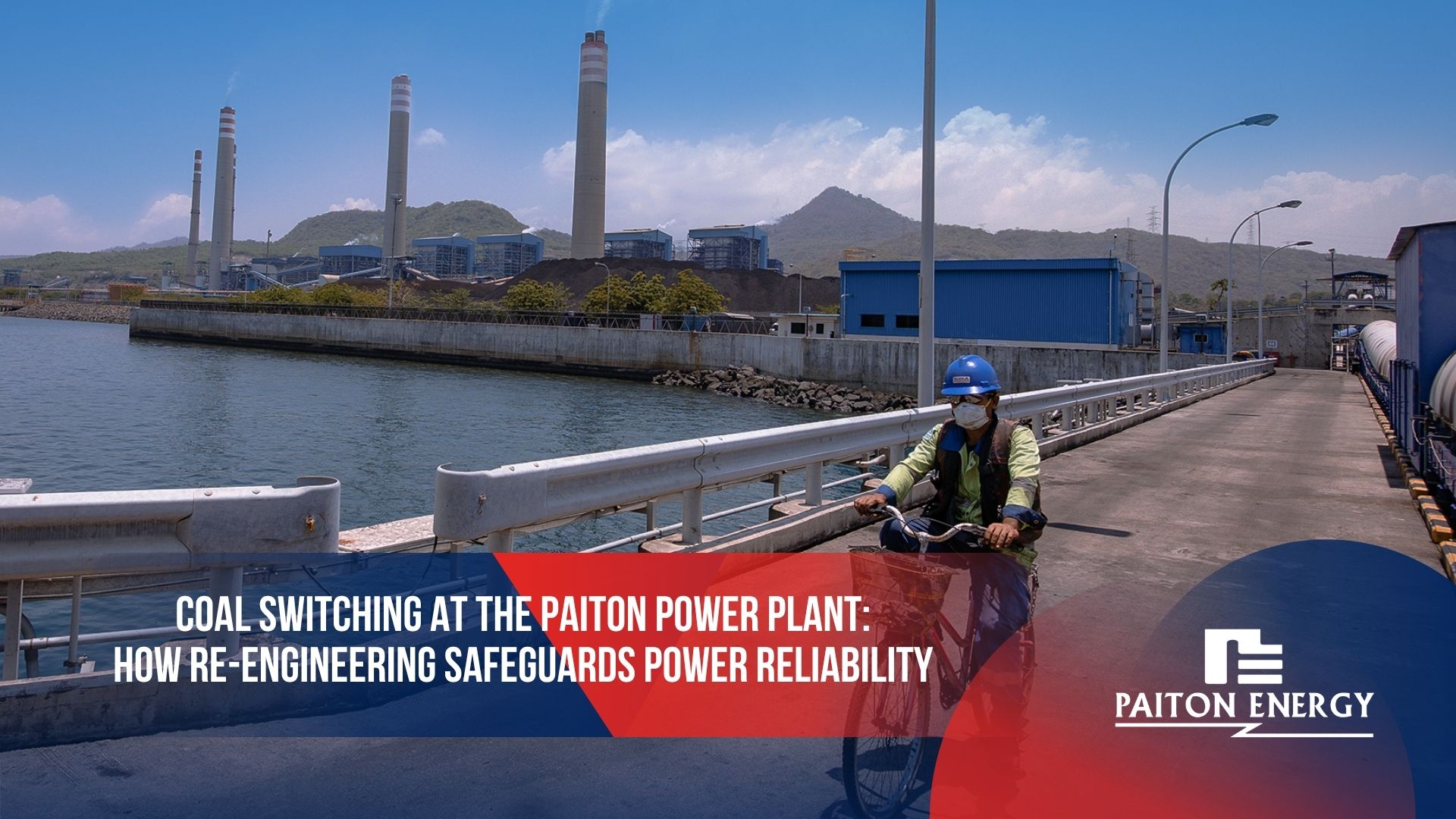
Efforts to mitigate environmental pollution impacts in large-scale power plants, such as Paiton Energy Unit 7 & 8 (2 x 615 MW), often depend on the reliability of combustion chamber instrumentation.
The synergy between the Force Draft Fan (FD Fan) and the Induced Draft Fan (ID Fan) is critical. The ID Fan is a 10,001 HP motor responsible for maintaining stable boiler furnace pressure at the ideal set-point of -0.10 kPa.
This innovation originated from the finding that routine calibration alone was insufficient. The use of coal with ash content exceeding 3% caused sediment accumulation in the sensor piping (impulse lines) connected to the furnace pressure transmitter.
As a result, the sensor encountered obstruction in accurately reading actual pressure. Inaccurate data forced the ID Fan to work harder, leading to excessive electricity consumption and increased emissions.
By implementing an online maintenance method for the impulse line, Paiton Energy ensured accurate readings without interrupting operations. This technical measure directly reduced electricity consumption of the ID Fan motor, forming a vital strategy in environmental pollution mitigation through tangible energy savings.
Paiton Energy’s Practical Implementation
As one of Indonesia’s first independent power producers, Paiton Unit 7 & 8 actively implements energy conservation measures in accordance with Government Regulation No. 33 of 2023.
In 2023, the unit consumed 3,696,532 tons of coal. Emission challenges were addressed through the development of an improved maintenance method for the furnace pressure transmitter impulse line sensing system.
This innovation ensures sensor cleanliness and maintains optimal ID Fan motor energy consumption aligned with the set-point. Operational data from March to September 2024 demonstrate impressive efficiency results.
Quantified Achievements (2024 Data)
Based on data from March to September 2024, the efficiency program achieved:
- Energy Savings: 4,474.42 GJ
- Coal Consumption Reduction: 271.97 tons
- Operational Cost Savings: IDR 1,823,674,910.15
Environmental benefits were also significant:
- CO₂ Equivalent Reduction: 1,143.08 tons (Cost savings: IDR 34.2 million)
- NOx Reduction: 1.21 tons (Cost savings: IDR 126.8 million)
- SO₂ Reduction: 0.09 tons (Cost savings: IDR 20.2 million)
- PM Reduction: 0.05 tons (Cost savings: IDR 58.1 million)
Understanding the impacts of environmental pollution provides the perspective that even incremental efficiency improvements in industry can produce substantial benefits for the planet.
Through a combination of technologies such as FGD and SCR, alongside energy management innovations as implemented at Paiton Power Plant, industry can remain productive while maintaining environmental sustainability.
Emission reduction efforts are not merely about regulatory compliance—they represent a long-term investment in cleaner air and healthier ecosystems for future generations.
Concrete action in reducing environmental pollution impacts is a collective responsibility that must begin now through continuous innovation and sustainable efficiency.