Amidst the challenges of global climate change, the energy transition is not merely about shifting to new resources; it is about managing existing resources more intelligently and sustainably.
A cornerstone of this sustainability paradigm is the Circular Economy. Fundamentally, a circular economy is a model of production and consumption that involves sharing, leasing, reusing, repairing, refurbishing, and recycling existing materials and products for as long as possible.
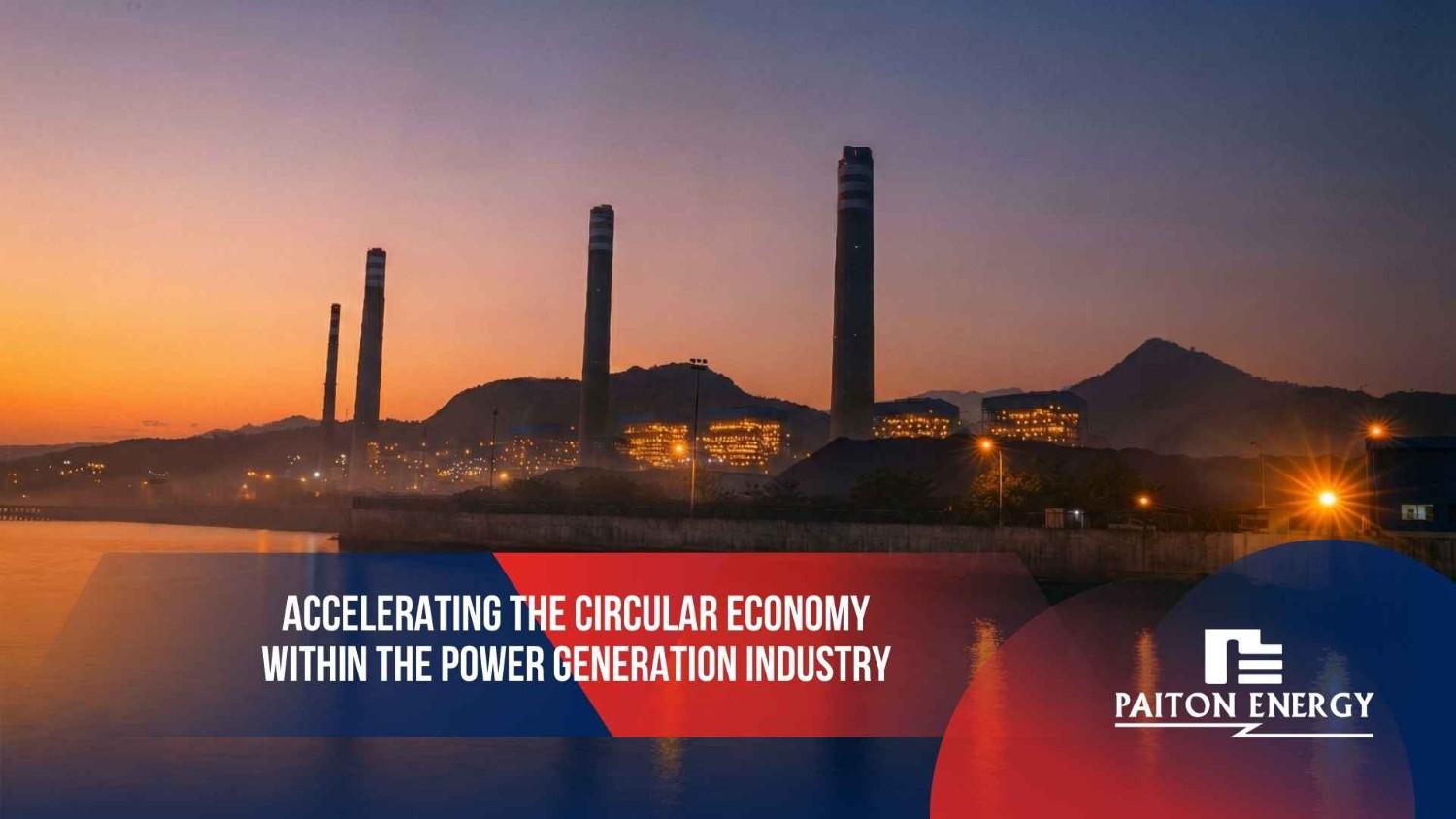
In the power generation industry, aligning the circular economy and sustainability is vital to minimizing environmental impact while strengthening national energy resilience. PT Paiton Energy stands as a key industry leader, adopting this vision through a comprehensive, integrated approach.
Paradigm Shift: From Linear to Circular
For decades, the global industry operated on a conventional “take-make-dispose” linear model. However, this approach is no longer compatible with Indonesia’s Net Zero Emission ambitions. PT Paiton Energy has integrated circular economy principles into its long-term vision as a core strategy for sustainable energy production.
This vision prioritizes a transition from linear systems to circularity via the 3R principles (Reduce, Reuse, Recycle), further expanded into a 5R framework that includes Recovery and Repair. The primary focus remains on resource optimization and waste minimization, directly supporting national targets such as “Zero Waste 2025.”
Paiton bErsiNERGY: Synergizing Climate Mitigation and Economy
The company’s circularity strategy is operationalized through its flagship program, Paiton bErsiNERGY. This initiative focuses on two primary pillars: climate change mitigation and community economic empowerment.
1. Climate Mitigation and Decarbonization
One of the most significant breakthroughs in the operational aspect is the trial application of biomass co-firing. By mixing fossil fuels with biomass derived from community forest waste, PT Paiton Energy has successfully reduced carbon emissions significantly.
Data indicates that this initiative reduces emissions by over 70,000 tons of CO2 annually. This serves as tangible evidence of how waste (biomass) is reintegrated into the energy production cycle, creating efficiencies that bolster the circular economy and sustainability.
2. Economic Empowerment and MSMEs
A circular economy is only sustainable with active community participation. Through MSME (Micro, Small, and Medium Enterprises) training, local communities are encouraged to view waste not as a burden, but as an economic asset. This fosters an ecosystem where economic growth no longer necessitates environmental degradation.
Zero Waste Initiatives: Transforming Waste into Value
Support for Zero Waste targets is executed through integrated grassroots actions and technology. Key initiatives include:
- Waste Banks and Ecobricks: Campaigns to reduce plastic waste by converting non-recyclable plastics into functional building materials.
- Eco-Enzymes and Composting: Training in the production of organic enzymes from kitchen waste and compost from organic matter to support sustainable agriculture.
- Inorganic Waste Crafting: Adding value to inorganic waste through creative design, generating new economic opportunities for the community.
These collective efforts significantly reduce the volume of waste sent to landfills while diversifying the income streams of local residents.
Energy Transition and Resilient Infrastructure
In addition to waste management, this circularity vision includes diversifying the energy mix. PT Paiton Energy has installed Solar PV with a capacity of 1 MW and continues to conduct in-depth trials and studies regarding the implementation of Waste-to-Energy (PLTSa) in the community.
This investment in renewable energy is a form of “energy circularity,” where natural resources (sunlight or municipal waste) are utilized continuously without depleting limited resources. Furthermore, the development of community forests as carbon sequestration tools ensures the company’s carbon footprint remains controlled.
Achievements and Global Alignment
PT Paiton Energy’s long-term commitment has earned significant recognition, including the Indonesia Green Award for plastic waste management and the Green PROPER certification from the Ministry of Environment and Forestry. These achievements reflect the company’s alignment with:
- Sustainable Development Goals (SDGs): Specifically Goal 7 (Affordable and Clean Energy) and Goal 12 (Responsible Consumption and Production).
- National Priorities 1 & 6: Strengthening economic resilience and enhancing environmental quality.
- Resilient Energy Infrastructure: Ensuring a stable yet environmentally friendly power supply.
The implementation of a circular economy is an absolute step for power generation industries that want to remain relevant in the future. Through the integration of operational efficiency, biomass utilization trials, and community empowerment, PT Paiton Energy proves that heavy industry can transform into a pioneer of sustainability.