In the wake of an escalating global environmental crisis, the ecobrick has emerged as a sophisticated breakthrough offering renewed hope. Plastic waste—notorious for its environmental persistence and detrimental impact on sustainability—can now be repurposed into functional assets.
Many stakeholders inquire about the tangible benefits of ecobricks; fundamentally, this innovation transcends conventional recycling by effectively sequestering plastic to prevent ecological contamination.
Utilizing a simple yet rigorous methodology, ecobricks address the shortcomings of traditional waste management systems, which frequently result in landfill overflows or marine pollution.
Defining the Ecobrick
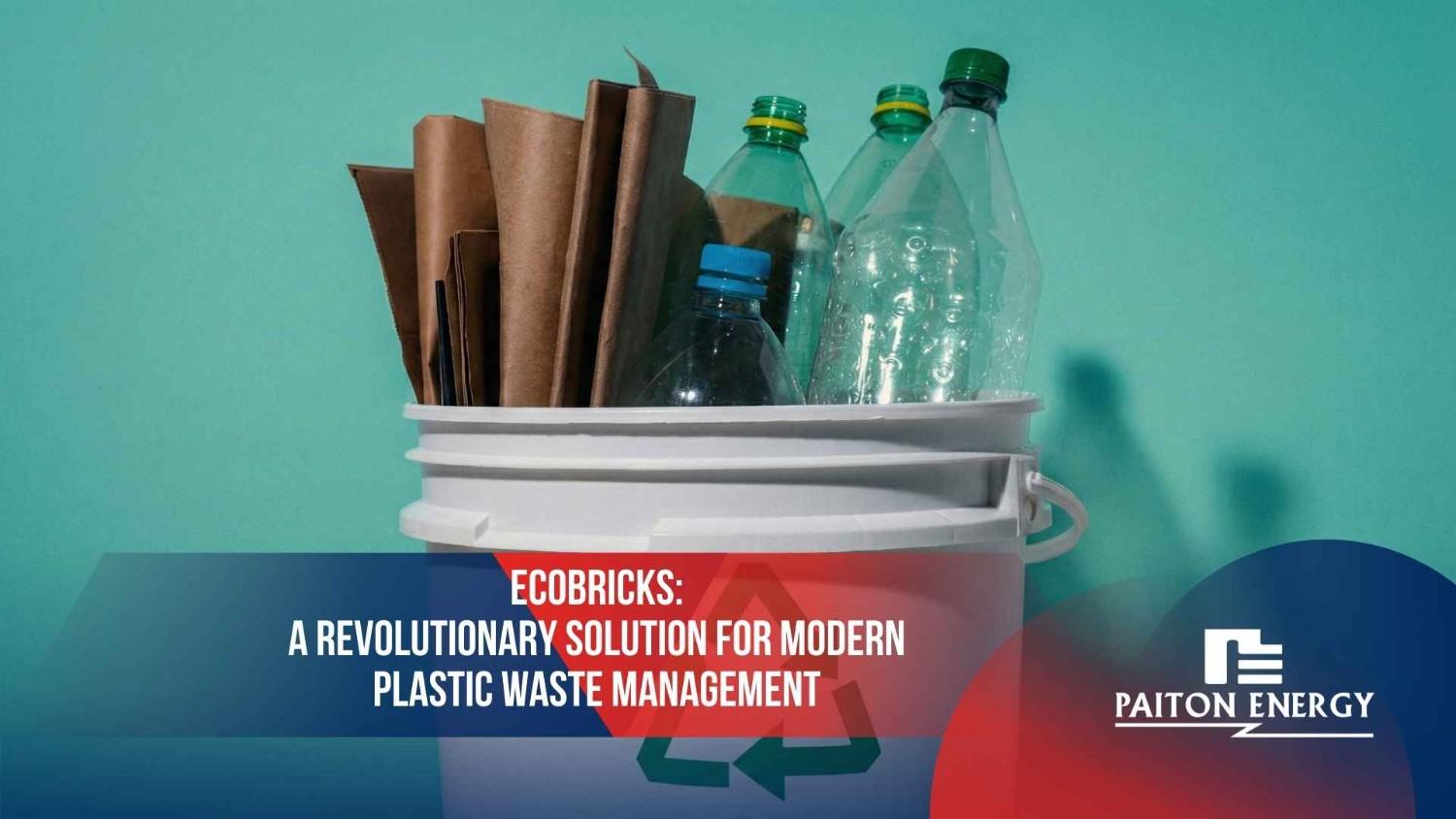
An ecobrick is a sustainable building block created by packing clean, non-biological plastic waste into plastic bottles until a specific density is achieved. Etymologically, the term is derived from “eco” (ecological) and “brick.”
This revolutionary concept was pioneered by Russell Maier of Canada and Ani Himawati Maier of Indonesia during their tenure in the Philippines.
Now a globally recognized movement, ecobricks are also referred to as “Bottle Bricks” or “Ecoladrillos.” The primary objective is to manage plastics that are difficult to recycle mechanically, such as multilayered sachets, plastic bags, straws, and food wrappers.
Through this process, materials that would otherwise serve as pollutants are transformed into robust, durable construction components.
Production Methodology and Materials
The fabrication of an ecobrick requires precision. The primary components are discarded plastic bottles and dry plastic waste. It is imperative that the plastic is cleaned and dried thoroughly to prevent bacterial growth or odor within the bottle.
While the primary focus remains on plastic, a common question arises: can paper be used? “Paper ecobricks” are feasible provided the material is entirely dry and clean. However, it is strongly recommended to prioritize non-biodegradable plastic waste to maximize the ecobrick’s core function as a tool for pollution mitigation.
Key Environmental and Economic Benefits
Understanding the strategic advantages of ecobricks is essential for assessing their value:
- Pollution Prevention: The most significant benefit is the sequestration of plastic, preventing it from degrading into harmful microplastics that threaten the food chain.
- Material Substitution: Functionally, ecobricks serve as viable alternatives to clay bricks or concrete blocks in non-permanent structures and garden furniture.
- Cost Efficiency: From an economic perspective, production costs are virtually zero as they utilize waste materials, making them ideal for small-scale community projects.
- Environmental Education: The assembly process fosters collective awareness regarding daily plastic consumption patterns.
- Economic Value: Currently, ecobricks hold market value, with various “waste banks” (Bank Sampah) offering cash incentives for high-quality bricks.
Case Study: Implementation by PT Paiton Energy and PT POMI
A prominent example of successful ecobrick integration in Indonesia is the initiative led by PT Paiton Energy and PT POMI. Since 2017, these organizations have actively promoted ecobrick production in the Probolinggo Regency as part of the Climate Village Program (Proklim).
For the corporate sector, ecobricks provide an effective solution for low-value plastic waste. In collaboration with the Environmental Agencies (DLH) of Probolinggo and Situbondo, PT Paiton Energy has supported 15 active waste banks. Notable achievements include:
- Jabung Temple Miniature: In 2019, an eco-friendly park was established featuring a miniature of Jabung Temple, constructed from ecobricks and clay. This project involved 33 trainers from the Global Ecobrick Alliance (GEA) and hundreds of volunteers.
- “Beat Plastic Pollution” Workshop: In June 2025, in observance of World Environment Day, educational workshops were conducted for elementary students at the Kraksaan Urban Forest (Hutaka) to instill environmental stewardship from an early age.
- Creative Competitions: These initiatives include waste-collection drives and ecobrick-making competitions, where institutions such as SD IT Permata have been recognized for producing high-density, quality bricks.
The strategy adopted by Paiton Energy demonstrates that the benefits of ecobricks can be optimized through the Pentahelix approach—a synergy between government, community, academia, the private sector, and the media.
The ecobrick represents a simple yet high-impact intervention accessible to everyone, from households to large corporations.
By shifting our perception of “waste,” we not only remediate the environment but also create functional value. Given the extensive ecological and economic benefits, it is time to integrate ecobricking into our sustainable lifestyles.